Home Blog
Why Safety by Water Needs a Different Approach
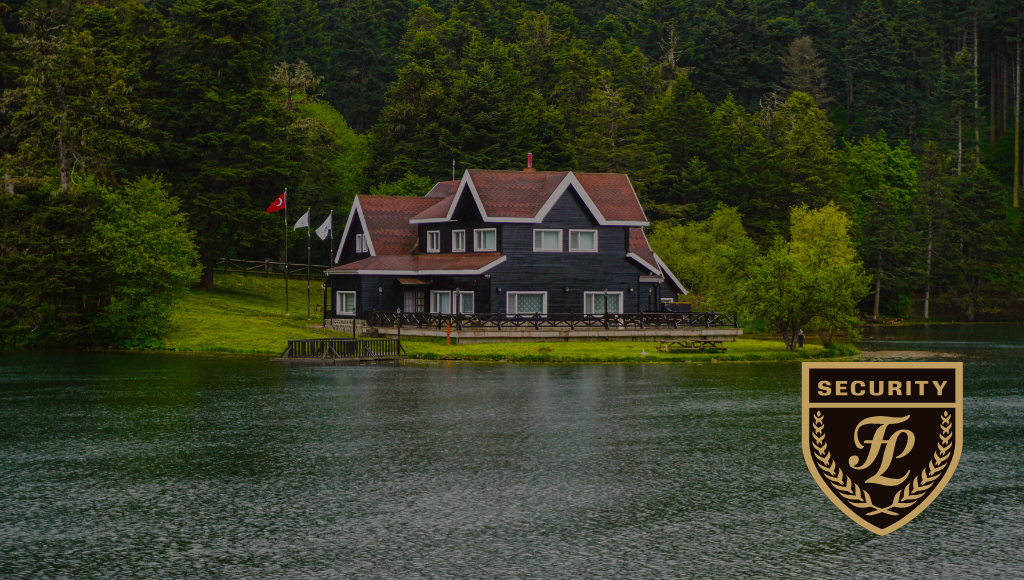
Properties by the water — summer houses, garden houses, boat piers — are unique. They attract with peace, proximity to nature, and the opportunity to relax at any time. However, this appeal also comes with specific risks. Safety by the water is not just about locks, alarms, or cameras; it is an integrated approach in which access control, visible presence, and a clear action plan are important, because coastal properties are often more complex and “exposed” to risks than urban areas.
Beach areas and piers are more expansive, containing more “grey zones” that can be used by unwanted individuals or where valuable items can remain unnoticed. Furthermore, the seasonality of such properties — intense human flow in summer and emptiness in winter — means that risk factors change and gaps in safety planning often arise.
In this article, we will look at why safety for properties by the water is specific, what the most typical risk scenarios are, practical measures for minimum security, and when basic solutions are no longer sufficient. The goal is to help owners of summer houses, piers, and garden houses understand risks and solutions — without an overly complex or expensive approach.
Most Common Risks at Boat Piers and Summer Houses
Proximity to water is a beautiful advantage, but at the same time it opens up more access points that are harder to control. Often, properties by public waters are located next to roads or parking lots, which additionally makes access easy for unauthorized persons. Below, we will examine the most frequently observed risks.
Equipment and Inventory Outdoors
Inventory stored outdoors — tools, boat equipment, fuel, pier parts, fishing gear — is often not properly accounted for or secured. These small items actually constitute a large portion of overall losses. When they fall victim to theft, they are rarely noticed immediately; owners only realize after some time that something is missing. This kind of “slow loss” is characteristic of properties by the water, where the owner is not present every day.
Moreover, physically small items are easy to take — they are portable and often left without proper locks or placement. This creates a constant risk that cannot be solved by installing cameras alone.
Empty Periods and Irregular Presence
The season by the water is very pronounced — in spring and summer, people use the properties intensively, but in autumn and winter, these properties often remain empty. Empty periods make the area an easier target for theft, vandalism, or unexpected access. An alarm may be triggered, but without physical presence, it does not mean that anyone nearby will pay attention or respond quickly.
Vandalism and Damage on Weekends / Evenings
Installing one or two cameras on a property near the water is not a panacea. It is often observed that damage occurs in the evenings or on weekends when the owners are not present, and alarms are ignored. This can include minor vandalism — graffiti on sheds or damaged gates — as well as more serious destruction.
In such cases, the problem is not only material loss, but also the loss of time and energy needed to rectify the situation. Therefore, it is important not only to react, but also to create an environment where potential offenders do not feel encouraged to act.
Unauthorized Persons on the Property
By public waters, properties are often located next to walking paths or parking lots. Such surroundings make them easily accessible to anyone — both those who just want to take a walk and those who are looking for an easy “ignored alarm” opportunity. Without clear access control and signage about the property, people can enter the property area accidentally, but sometimes also with ill intent.
Quick Security Audit: 10 Points to Check Today
Practical tips are those that help you immediately improve security. This checklist allows for a quick self-assessment and helps identify weak points in your property.
- Access points are clearly marked and controlled – are only authorized persons allowed to enter? Are there signs that make people aware of private property?
- Perimeter is defined and, if possible, physically restricted – gates, fences, or other obstacles can help.
- Lighting in dark areas – it doesn’t need to be huge, but it should ensure there are no places to hide or conceal equipment.
- Equipment storage and inventory – do you know what is stored where? Is there an inventory list?
- Key management and access discipline – do all those with access follow the rules?
- Alarm and camera systems work and are regularly checked – a camera that is misaligned or has dead batteries is useless.
- Clear procedures when the alarm triggers – who should be called? How quickly does someone respond?
- Awareness of seasonality – are there additional security measures during autumn/winter periods?
- Guest and visitor information on safety – are there clear instructions for guests about property rules?
- Incident recording and analysis – after any event, whether damage or triggered alarm, it is important to record the details.
These simple steps will help you quickly understand the current situation and determine where changes are needed.
When Patrolling or Physical Security is Needed
There are situations where “basic security” is not enough. If the property is large, remains empty for long periods, or if unexpected activities frequently occur, professional security can provide real practical value and peace of mind — not just a feeling of safety.
Physical security and patrolling not only respond to alarm signals but also create visible presence. Any potential intruder, seeing that security regularly patrols the area, is likely to choose another target. This is not just a “perception issue” — real human presence means faster response to problems and clear accountability.
What Professional Security Provides
- Access control – security checks who and when enters the property.
- Patrolling – regular or random checks reduce “grey zones.”
- Video monitoring supervision – not just cameras, but a person reacting to signals.
- Rapid response to incidents – not just a signal, but action.
- Incident recording and documentation – this helps with future investigations or insurance purposes.
Sometimes people think that security will provide “100% safety.” This is not true — it is never possible to eliminate all risks completely. However, professional security significantly reduces risk and directly helps maintain order on the property.
How the Security Process Works: From Risk Assessment to Order on the Property
For water-adjacent security to be effective, it must be structured and tailored to the specific property. Here are the steps that help implement this process:
Risk Assessment
First, the area must be evaluated — where are the weak points, where is the perimeter wider, where is there public access, and where are valuables stored. This step is critically important, as it identifies the most significant risks.
Development of a Security Plan
Based on the assessment, a plan is developed that identifies key zones, access points, security regime, and technical solutions.
Implementation of Basic Solutions
This includes installing locks, camera systems, lighting, perimeter marking, and other quick solutions.
Integration of Additional Solutions
If necessary, professional security and patrolling are added, along with video monitoring with real-time supervision and incident response plans.
Training and Communication
Owners and managers must understand the security rules and how to act in various situations. Clear communication with staff and guests helps avoid misunderstandings.
Regular Inspection and Improvement
Security is not a “set it and forget it” solution. It must be monitored and improved, taking into account new situations, seasonal changes, or incidents.
Mini Example: Problem → Solution → Result
To better understand how these solutions work in practice, let’s look at an anonymized example:
- Problem: At a boat pier, inventory — tools, boat equipment, and other items — periodically goes missing, but it is unclear when or how. Alarms trigger, but there is no one to check the events.
- Solution: A security audit is conducted, additional lighting is installed in dark areas, access control is implemented, and professional security is engaged to regularly patrol the area and check alarm signals.
- Result: “Grey zones” are reduced, it becomes clear which areas are most exposed to risk, incidents are quickly recorded and resolved. Inventory losses decrease, and the owner gains peace of mind, knowing there is a clear security regime, not just a technical device.
Conclusion: Peace of Mind Requires a System, Not Just One “Tool”
Security by the water is a challenge that requires thinking beyond just locks or cameras. It is about human habits, the characteristics of the property, seasonal factors, and understanding “security” as a whole — including access control, visible presence, and clear action plans.
Basic solutions, such as lighting, locks, and alarms, are excellent first steps. However, if the property is large, often empty, or holds significant valuables, professional security and patrolling can provide real peace of mind and order.
Security is not just about technology; it is about planning, human involvement, and response. Establish your security process, assess risks, and make decisions that ensure the protection of your property’s value and your own peace of mind.
Contact Us
Get in touch with us and schedule a free consultation today!